Una vez tengamos claro que viajar es una cadena llena de eslabones, debemos de partir de la base que el resto de elementos, agentes, viajeros, contexto, actualidad política…, todo incide o puede incidir en la satisfacción de la “experiencia” de alguien que como tú busca un viaje, disfruta en ese mismo momento del mismo hotel que tú o que hace un año dejó una opinión en Tripadvisor y condiciona tu decisión. El viaje se ha convertido en un conjunto con muchas ramificaciones en los que muchos elementos juegan un papel importante no solo en una experiencia propia, sino en la del turista que llevamos sentado al lado en el avión.
En relación a este concepto de interrelación de elementos y de responsabilidad sobre la experiencia de otros viajeros, me ha parecido muy interesante la campaña que en relación a los peregrinos y su responsabilidad por tener el Camino de Santiago limpio se lanza desde Ecoembes la Junta de Castilla y León y la Xunta de Galicia.
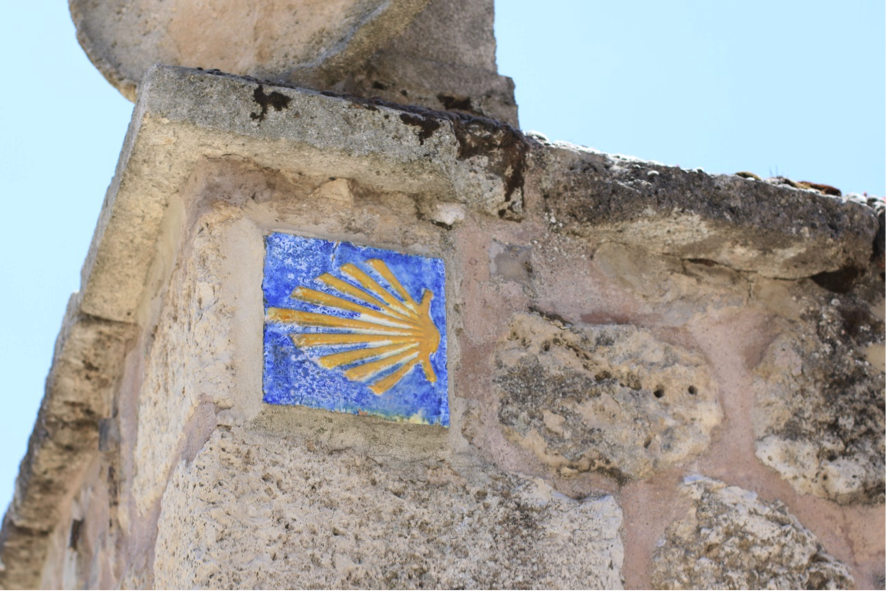
La campaña «Camino de la Colaboración Camino del Reciclaje» se centra en la sensibilización de los peregrinos y como la solidaridad de cuidar el camino es clave para que el resto de personas pueda disfrutarlo al igual que uno mismo. El proyecto se lleva a cabo a través de la colaboración de los diferentes albergues que el peregrino encuentra en diferentes zonas del Camino de Santiago. Consiste en la colocación de papeleras para envases de plástico, latas y briks (amarillas) y envases de papel y cartón (azules), carteles con didáctica para saber qué depositar en cada uno de ellos y un kit de regalo para los peregrinos que formen parte de la campaña.
Además, y para animar a todos los peregrinos a participar se ha habilitado una web donde podrán subir a través de sus cuentas de Twitter y de Instragram, con el hashtag #EcoPeregrino y el correspondiente a la provincia (#Burgos, #Palencia, #León, #Acoruña y #Lugo), las imágenes de los paisajes y momentos del Camino que quieren conservar para futuras generaciones y que necesita del cuidado y la colaboración de todos los que a diario recorren el Camino.
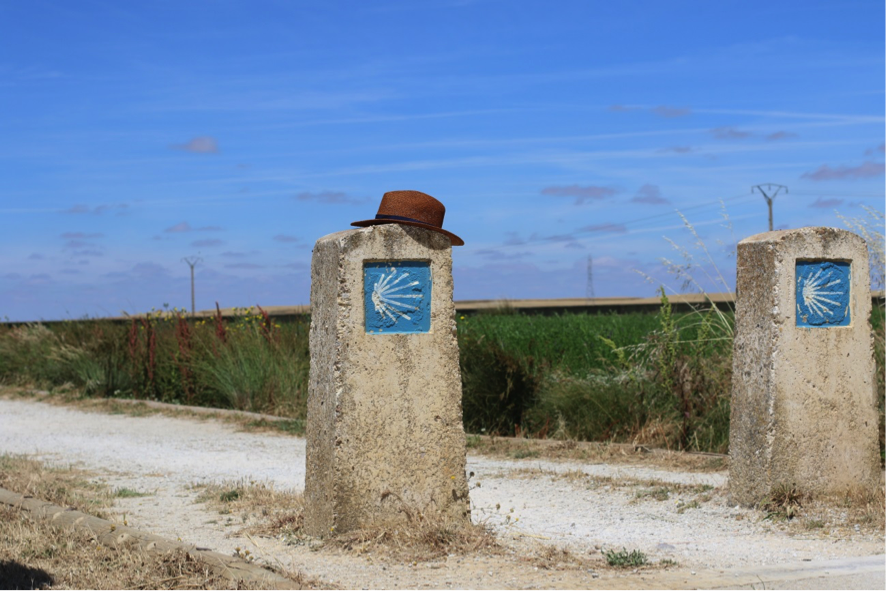
Proyectos de este tipo desarrollan concienciación por parte de los viajeros sobre el medio ambiente y sobre la responsabilidad que como turistas tenemos en el disfrute de otros viajeros. El proyecto está apoyado desde 5 provincias (Burgos, Palencia, León, Lugo y A Coruña), casi 400 km de recorrido, y más de 250 albergues que con su ayuda potencian destinos sostenibles y sensibilizados tanto por el medio ambiente como por el propio turismo.[:en]The tourist experience concept extends all over the promotion and commercialization of tourist services on Internet. We are no longer travelling to take the sun, enjoy a cup of coffee right next the Plaza Mayor or to take a selfie in front of the Leaning Tower of Pisa, but we are travelling for a whole product that we, those dedicated to tourism marketing, obsessively call tourist experience. The signal is amplified and the process starts at the very beginning when we get the spark and think we would like to go to a place, and it does not end when we arrive with the baggage and fridge magnets, it is possible that that experience extends beyond the infinite and joins us throughout our life.
Once we are clear about travelling as a chain full of links, we must part from base that the rest of elements, agents, travelers, context, political actuality…, it all influence or may influence on the satisfaction of the “experience” of someone like you who looks for travel, enjoys in that very moment of the same hotel as you or someone that left a review on TripAdvisor a year ago which determines your decision. The travel has become into a set with many ramifications in which many elements play an important role not just in the own experience, but in that of the tourist sit next to us on the plane.
In relation to this concept of interrelationship of elements and of responsibility over the experience of other travelers, it has seem pretty interesting to me the campaign, related to pilgrims and their responsibility in keeping The Way of Saint James clean, launched from Ecoembes by the Junta of Castile and León and the Xunta of Galicia.
The campaign “Way of Collaboration Way of Recycling” is centered on increasing awareness of pilgrims on how the solidarity in caring for the trail is key for the rest of people to enjoy it as well as one does. The project is carried out through the collaboration of several inns the pilgrim meets along the Way of Saint James. It consists in placing several trash cans for plastic containers, metal cans, carton (yellow) and paper containers and carton (blue), didactic posters to know what to dispose of in every trash can and a gift kit for pilgrims who are part of the campaign.
Moreover, a website has been developed to encourage all pilgrims to participate where they can upload through their Twitter and Instagram accounts, using #EcoPeregrino and the corresponding province (#Burgos, #Palencia, #León, #ACoruña and #Lugo), images of landscapes and moments of the Trail they want to keep for next generations and that need care and collaboration of all those who walk along the Way every day.
Projects of this kind raise awareness to every traveler on the environment and the responsibility we all as tourist have on other travelers’ enjoyment. The project is supported by 5 provinces (Burgos, Palencia, León, Lugo and A Coruña), almost a 400 km tour, with more than 250 inns that with their help they enhance sustainable and sensitized destinations both by the environment and by the tourism itself.[:]